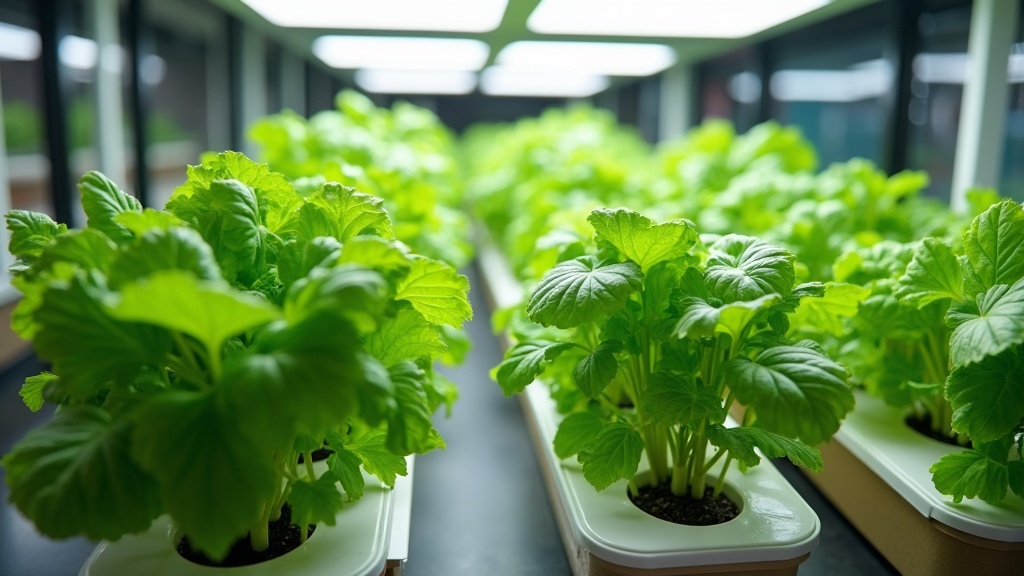
Growing your first hydroponic garden is an exciting way to grow plants, especially if you love fresh veggies or want a fun home project. Hydroponics removes soil from the equation and puts your plants in a nutrient-rich water solution. Keeping everything running smoothly is easier with the right info and some practical tips. Let’s get into what you can expect as you jump into maintaining your first hydroponic setup.
Hydroponic Garden Basics: What You Need to Know
Hydroponic gardening is gaining popularity fast, and you can see why. These systems let you cultivate healthy plants without the usual dirt, and you don’t need a huge garden plot either. Before you start with maintenance, it’s a good idea to check out how hydroponic systems work.
The most common types of hydroponic systems include nutrient film technique (NFT), deep water culture (DWC), and drip systems. They’re a little different from each other, but all depend on water, nutrients, and something sturdy to support plant roots, such as clay pellets or foam plugs. Since you control nearly everything—nutrients, lighting, and temperature—it’s more hands-on, but you enjoy faster growth and fewer pest headaches. Plus, you can garden year-round indoors, making it a great choice if you have limited outdoor space or unpredictable weather.
Setting Expectations: Maintenance Tasks in Hydroponics
Tending to daily and weekly care helps your hydroponic garden thrive. Here’s what to expect with your first setup:
- Checking Water Levels: Keep roots moist by making sure the reservoir has enough water. This keeps the plants from drying out and supports steady growth.
- Measuring Nutrient Strength: Plants drink up nutrients quickly. Use a measuring tool (such as an EC meter) to see what’s left and top up as needed. Consistent checking helps prevent deficiencies before they start.
- Monitoring pH: The best absorption happens at specific pH levels, usually 5.5 to 6.5. pH up or pH down solutions make it easy to get in the sweet spot.
- Cleaning Parts: Pumps, tubes, and reservoirs can build up algae or minerals. A weekly rinse and wipe prevent clogs and help water circulate smoothly.
- Observing Plant Health: Checking for color changes, drooping, or pests lets you jump in quickly if something seems off.
Don’t worry if this sounds like a lot—the routine quickly becomes second nature, especially as you get used to your system.
Daily and Weekly Hydroponic Routines
Adopting a simple routine goes a long way. Here’s a breakdown:
- Daily: Glance at the garden to ensure water is circulating, lights are on, and that there aren’t any leaks or spills. Take a quick look at the plants to spot wilting, color changes, or insect damage.
- Weekly: Take a closer look at the nutrient solution and pH levels, clean off visible algae, and swap out reservoir water if it’s starting to look or smell odd. Flush the system when necessary. These steps take little time with practice.
- Monthly: Fully empty, clean, and refill the nutrient reservoir. A good flush wipes out old residue and gives your plants a clean environment. Deep cleaning can also prolong the life of pumps and hoses.
Extra tip: If you get into the habit of logging what you do, you can spot issues and catch trends that help your plants thrive. Many growers keep a simple notebook or use a phone app to track pH readings, water top-ups, and cleaning dates.
Things to Watch Out for in Your First Hydroponic Garden
Most new hydroponic growers bump into a few issues. Here’s what to expect and some advice on dealing with them:
- Algae Growth: When light reaches your nutrient solution, algae can set up shop and clog tubes. Blocking out light with opaque covers or black tape helps, but nothing beats a regular cleaning schedule.
- Root Rot: Slimy, brown roots are trouble—often a sign they’re suffocating. Make sure air stones or pumps run well and deliver enough oxygen, especially in deep water culture systems.
- Nutrient Deficiencies: Watch for yellowing, curling, or spotty leaves. Adjusting the nutrient mix and balancing the pH should set things right pretty quickly.
- Pests: Bugs aren’t as common indoors, but aphids and spider mites might still show up. Check leaves regularly and use gentle sprays rather than harsh chemicals if you spot any.
More About Water and Nutrient Management
The quality of your water makes a real difference in hydroponics. Tap water can contain minerals or chemicals that might mess with your nutrient mix. Many people opt for filtered or reverse osmosis water to avoid this, especially for sensitive plants. Testing your tap water ahead of time lets you decide if simple topping up will do, or if an extra filter is worth installing.
Nutrient formulas for hydroponics include everything your plants need instead of what they’d pull from soil. This usually means keeping track of levels of nitrogen, phosphorus, potassium, calcium, and important trace minerals. The blend you use depends on your plant’s growth stage—leafy greens and herbs want high nitrogen, while fruiting plants like peppers and tomatoes prefer extra potassium and phosphorus as they mature. Follow the label guidelines, but don’t hesitate to tweak based on your plants’ appearance.
It’s also good to remember that water temperature matters; most plants like nutrient solutions between 65°F to 70°F. Too warm and you might get root rot, too cold and your plants grow slowly. Small aquarium thermometers are cheap and make it easy to check water temps at a glance.
Equipment and Tools That Make Life Easier
A few basic tools will give your maintenance routine a boost. Here’s what to have on hand:
- pH Testing Kit or Digital Meter: These give instant pH readings. The digital ones are easier for repeated use, though the basic chemical kits are fine for beginners.
- EC or PPM Meter: Nutrient strength matters. These meters let you spot if nutrients are too weak or strong before leaf problems show up.
- Plug Timers: Timers for lights and water pumps take the guesswork out, so your system runs consistently even if you forget.
- Extra Pump or Air Stone: Having a backup on hand can save your plants if part of your setup stops working unexpectedly.
Other handy items include disinfectant wipes for cleaning, a measuring jug for mixing solutions, a notebook, and maybe a magnifying glass to inspect leaves for bugs or spots.
Lighting and Temperature Needs
The beauty of hydroponics is controlling your growing environment. Most hobby setups use LED grow lights hung above plant trays. These lights are energy efficient and stay cooler than fluorescent or incandescent bulbs, reducing the risk of burning leaves. As plants grow, move the lights higher to prevent stretching or scorching. Most herbs and veggies prefer about 12-16 hours of light each day, which can be handled automatically with a timer.
Ambient temperature is just as important—keep your grow area between 65°F and 75°F. If things get too hot or cold, growth slows and your plants won’t thrive. Simple room thermometers make it easy to keep an eye on temperature swings, especially if your system is in a basement or attic.
Frequently Asked Questions About Hydroponic Maintenance
People new to hydroponics often have a bunch of questions. Here are some that come up a lot:
Question: How do I know if my nutrient levels are off?
Answer: Plants will usually let you know something isn’t right—look for yellow, curled, or browning leaves. Using an EC meter gives you a quick way to check if your mix is too strong or not strong enough, fixing issues before they get worse.
Question: How often should I change my water?
Answer: Most growers swap out the nutrient solution every two or three weeks, but top-ups are needed as water goes down. Once a month, do a full clean and refill to keep everything healthy.
Question: Should I worry about bugs in a hydroponic system?
Answer: You’ll have fewer pests than a traditional garden, but it’s smart to check your plants a couple of times a week. If you spot bugs, a plain water rinse or mild soap spray usually gets rid of them fast.
Question: What’s the best starting crop for beginners?
Answer: Leafy greens like lettuce, kale, and basil are the easiest. They don’t need much support, grow quickly, and can recover from small mistakes.
Wrapping Up: Getting Confident with Hydroponic Garden Maintenance
Handling your first hydroponic setup is all about forming easy daily and weekly habits that soon feel effortless. Keeping the system tidy, watching nutrient and water quality, and making quick fixes ensures your plants grow strong. Hydroponics is fun and interactive, and you’ll pick up confidence—and tasty produce—faster than you think. Once you’re comfortable, try out new crops or scale your system a little. Enjoy the adventure of seeing your plants do well!