Getting into hydroponics opens up a whole new way to grow plants, especially if you don’t have much outdoor space or soil to work with. Hydroponic gardening uses nutrient-rich water instead of soil, and it’s surprisingly accessible, even if you’re just starting out. I’ve found that building your own basic hydroponic setups is a great way to learn, save some cash, and figure out what works best for your space. This guide covers some fun, simple hydroponic projects that are perfect if you’re a total beginner. Plus, it’s a rewarding hobby that can bring fresh produce to your table with just a bit of care and curiosity.
Why Try Hydroponics at Home?
Hydroponics might sound high-tech, but at its core, it’s just a way to give plants the nutrients they need through water rather than soil. There are some real perks to growing this way:
- Saves space: You don’t need a big backyard. Hydroponic gardens fit on shelves, window ledges, or balconies.
- Faster growth: Plants often grow quicker because nutrients go directly to the roots.
- Less mess: No digging or dealing with tricky soil issues like pests or weeds.
- Water efficient: These systems use less water than traditional gardens, since the water gets recycled.
- Flexibility: You can move your garden around your home easily and experiment with different spots for sunlight or warmth.
Small hydroponic setups are a smart way to grow herbs, greens, or even a few strawberries indoors. It makes gardening more doable year-round, and if you enjoy tinkering or DIY projects, you’ll probably find it pretty fun, too.
Basic Equipment and Supplies for DIY Hydroponics
Before putting together your own hydroponic system, it helps to know the main supplies you’ll need. You can keep things really basic at first.
- Containers: Mason jars, plastic tubs, buckets—just about any clean container that can hold water works.
- Growing medium: Replaces soil; popular options are clay pellets, rockwool, or even aquarium gravel.
- Nutrient solution: A mix of water and plant food specially made for hydroponics. This is what your plants will “eat.”
- Net pots: Small baskets or cups with holes, helping roots grow out and reach the water below.
- Air pump or bubbler (optional): For most basic setups, especially with greens, you don’t need an air pump. It can help oxygenate the water and keep roots happy in some systems.
You might also want a small grow light if you’re working with limited sunlight, but for most leafy greens and herbs, a sunny windowsill does the job. Having a basic timer can also help automate lighting if you decide to use artificial lights later on.
Three Super Easy DIY Hydroponic Projects
Starting simple is the way to go. Here are three classic projects that are easy to build, affordable, and perfect for beginners. They don’t need fancy gear and use supplies you probably already have around your home.
Mason Jar “Kratky” Hydroponics
The Kratky method is one of the simplest hydroponic systems you can try. No pumps or electricity required; just let your plants’ roots dangle into the nutrient water and watch them grow.
- Take a large mason jar or another glass container.
- Mix up your nutrient solution and fill the jar about three-quarters full.
- Place a net pot with your plant seedling in the jar so the roots touch the water.
- Use a small piece of cardboard or black paper around the jar to block out light (this keeps algae away).
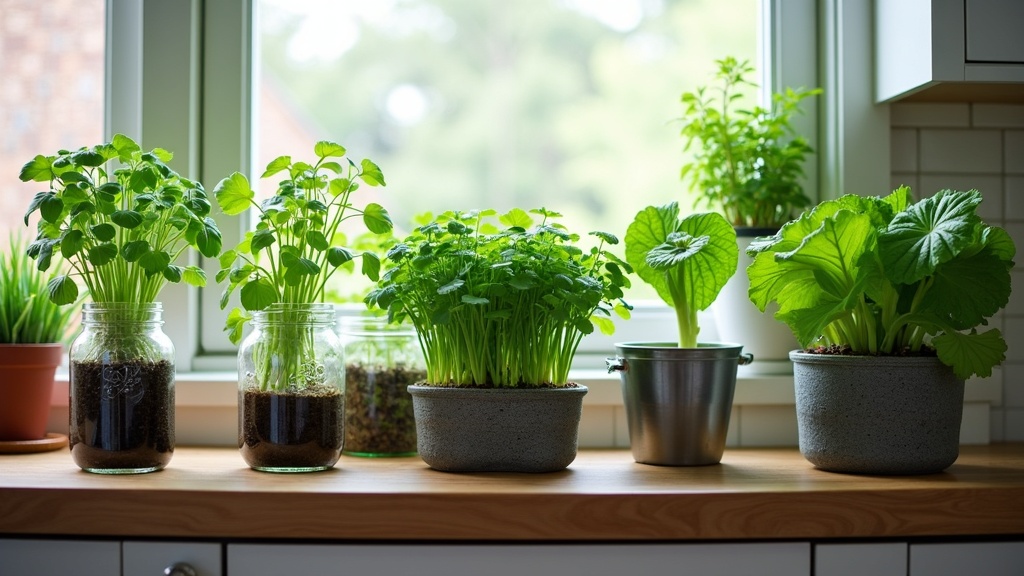
Herbs like basil, mint, or lettuce do great in these single-plant jars. You get quick results and can line up a few for a neat countertop garden. This is an awesome way to get fresh greens at your fingertips, and kids enjoy seeing roots stretch down into the water day by day.
Simple Tote Bin System for Leafy Greens
This project is beginnerfriendly but lets you grow several plants at once. You’ll need a plastic storage bin (around 10-20 liters/2-5 gallons is perfect), a drill, and a handful of net pots.
- Drill holes in the lid of your plastic bin, spaced out so each plant has room to grow.
- Fill with the nutrient solution, then pop net pots with seedlings into the holes.
- Place the lid on and you’re good to go.
Some people add a small aquarium bubbler for extra oxygen, but it’s not required for quick growers like lettuce. This setup is awesome on a sunny balcony or inside by a bright window. You can boost your harvest by starting new seeds in a second bin, rotating crops as you go.
Bottle Hydroponics: The Ultimate Upcycle
If you want to keep things super cheap and ecofriendly, turning old plastic bottles into hydroponic planters is a neat trick. Here’s what I do with a 2-liter soda bottle:
- Cut the bottle about a third from the top to make two pieces.
- Invert the top so it sits inside the bottom, forming a funnel.
- Add water and nutrients to the base.
- Put a seedling in a net pot or a mesh cup in the top part, with roots dipping into the solution.
This quick build is great for testing out hydroponics before investing in bigger systems. Plus, you’re saving plastic from the trash while growing fresh herbs. It’s also easy to set up several bottles on a windowsill for a mini herb garden, and you can gift one to a friend to spread the love for growing at home.
Common Beginner Mistakes (And How to Avoid Them)
Most people (myself included) make a few missteps when starting with hydroponics. Here are some things to watch out for, along with ways to keep your setup running smooth.
- Overfeeding nutrients: More isn’t always better. Stick to the instructions on the nutrient bottle to avoid burning your plant roots.
- Too much sun or heat: Intense sunlight can heat up water and hurt roots. Move setups out of direct, harsh sunlight, or set up a fan where possible.
- Not checking water levels: Water can evaporate fast indoors. Top up containers every few days, especially in warm rooms.
- Ignoring root rot: Yellowing, mushy roots mean a lack of oxygen or too much water. Keeping the waterline a little below the crown of the rootball helps prevent this.
Checking on Plants Regularly
A quick daily glance helps spot issues before they get out of hand. If leaves are droopy or pale, check nutrient levels, water quantity, and look for signs of disease or algae. Sometimes a small adjustment, like moving the jar or adding fresh water, can help plants bounce back quickly.
Water Changes Are Key
Changing out the water and rinsing containers about every two weeks stops gunk from building up and keeps plants healthier. It only takes a few minutes and can make a noticeable difference. If you notice algae starting to appear, it’s definitely time for a change; keeping things clean helps your hydroponic adventure flourish.
Supplemental Tips: Getting the Most Out of Your DIY Hydroponic Garden
Learning a few tricks makes a difference in how well your plants do in a home hydroponic system. These extra tips can really give a boost to your success rate:
- Start with easy plants: Leafy greens like lettuce, spinach, and herbs such as basil and cilantro are practically made for hydroponics. Save tomatoes or peppers for when you’re more experienced.
- Label your containers: Especially useful if you’re growing several varieties. It’s easy to forget what’s what if they look similar as seedlings.
- Clean everything in between grows: Always give containers and growing media a good rinse before starting something new to prevent any carryover of pests or algae.
- Keep an eye on temperature: Most hydroponic plants like water temps in the 65–75°F (18–24°C) range. Really hot or cold water stresses roots.
- Use gentle airflow: A small fan near your plants helps keep humidity in check and strengthens stems, making healthier herbs and greens overall.
Real-Life Uses: How Home Hydroponics Fits the Everyday Gardener
Home hydroponic kits might seem like something just for techies, but there are lots of everyday reasons people try them:
- Small apartments: No soil or heavy lifting. Hydroponics tucks onto shelves or windowsills where pots can’t.
- Fresh herbs all year: Grocery store herbs last a week or two, but homegrown ones just keep on coming as you snip off what you need.
- Teaching tool for kids: Building a simple setup together is a hands-on way to learn about plants and science.
- Reducing food waste: Grow what you need when you need it instead of buying in bulk and tossing leftovers.
Growing lettuce or basil in mason jars on my kitchen countertop means I have fresh flavor right at my fingertips and way less waste in the long run. Plus, it creates an inviting kitchen atmosphere where greenery adds a splash of life. Some folks even find hydroponics helps them eat healthier since homegrown greens are always within reach.
Frequently Asked Questions
Here are some common questions I get from people starting out with hydroponics:
Question: Do I need fancy gear or a big budget to get started?
Answer: Not at all. Some of the best first projects cost just a few dollars, especially if you reuse containers you already have. If you get creative, you can often set up your first system with things sitting in your recycling bin.
Question: How much effort does a hydroponic setup require every day?
Answer: Just a few minutes. Check water levels, eyeball your plants, add a little more nutrient if needed, and you’re done. The main thing is to check in regularly without feeling overwhelmed by daily chores.
Question: Can I use tap water for my hydroponic system?
Answer: Most tap water is fine for leafy greens and basic herbs, but if you notice issues, you can let water sit out for a day or use a cheap filter to remove chlorine. Some plants are pickier, but for starters, you’ll probably do just fine with regular tap water.
Ready to Get Growing?
Taking the DIY route with hydroponics is a low-stress way to grow more of your own food indoors, even with zero experience. Once you nail the basics, you can experiment with bigger or automated systems and a wider range of plants. Starting small makes learning fun, gives quick results, and brings a bit of garden green into your everyday life. Bottom line: Hydroponics lets you grow fresh food at home, sparks curiosity, and keeps things interesting even if you don’t have a backyard. So grab a jar, bottle, or bin and kick things off—your homegrown harvest is just a few simple steps away.